
Few household problems are as unpleasant, or as concerning, as sewer smells in home spaces where you should feel comfortable. That sudden rotten-egg odor drifting from a bathroom, kitchen, or basement is more than just annoying; it’s often a warning sign that something is wrong within your plumbing system. While it may be tempting to mask the smell with air fresheners or ignore it, sewer odors rarely disappear on their own. Understanding where they come from and how to eliminate them properly is the key to protecting your home, your health, and your plumbing.
This step-by-step guide breaks down exactly how sewer smells develop, what you can do immediately, and when it’s time to call in professional help.
Step 1: Identify Where the Smell Is Coming From
The first step in addressing sewer smells in home environments is pinpointing the source. Odors often originate from specific fixtures or areas, and knowing where to focus can save time and frustration. Common odor locations include:
Bathroom sinks and showers
Toilets
Kitchen drains
Floor drains in basements or laundry rooms
Pay attention to when the smell appears. Does it happen after running water, during temperature changes, or only at certain times of day? These clues help narrow down the cause.
Step 2: Check for Dry or Empty Drain Traps
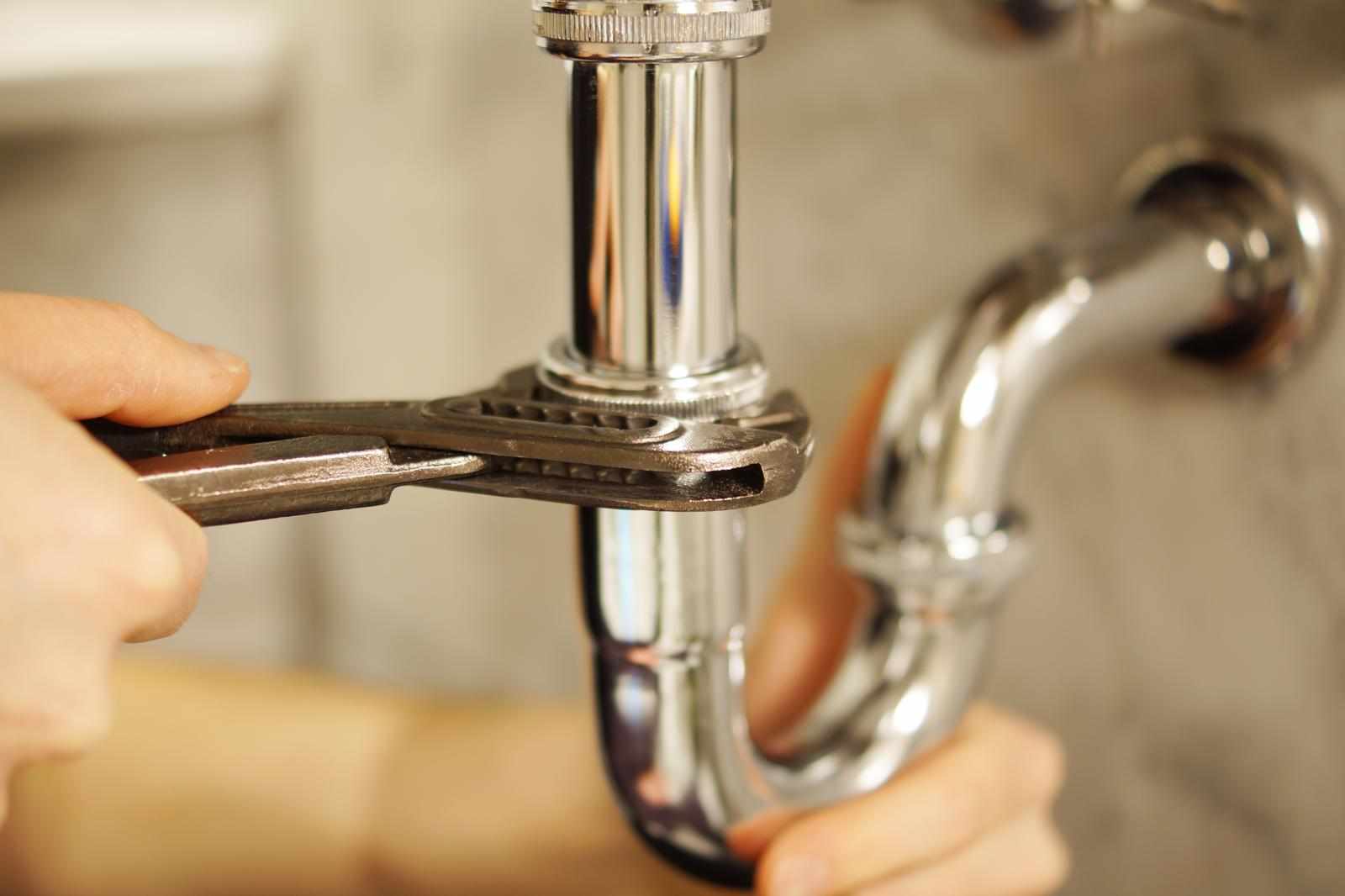
One of the most common and overlooked causes of sewer smells in home plumbing is a dry P-trap. The P-trap is the curved section of pipe under sinks, tubs, and floor drains that holds water to block sewer gases from entering your home.
When drains are rarely used, such as in guest bathrooms, basements, or laundry rooms, the water in the trap can evaporate, allowing odors to rise up.
What to do:
Run water for 30–60 seconds in rarely used drains
Pour a cup of water into the floor drains
Add a small amount of mineral oil after running water to slow evaporation
If the smell disappears after this step, a dry trap was likely the issue.
Step 3: Inspect for Drain Buildup and Biofilm
Over time, drains collect soap residue, grease, hair, food particles, and bacteria. This buildup forms a slimy layer called biofilm, which produces foul odors that are often mistaken for sewer gas. This is a frequent contributor to sewer smells in home bathrooms and kitchens.
What to do:
Remove and clean drain stoppers
Flush drains with hot water
Use a drain brush to clean accessible pipe walls
Avoid harsh chemical cleaners. While they may temporarily reduce odors, they often damage pipes and don’t fully remove buildup.
Step 4: Look for Venting Problems
Your plumbing system relies on vent pipes, usually running through the roof, to release sewer gases safely outside. If a vent is blocked by debris, snow, leaves, or even animal nests, gases can be forced back into the house. Signs of vent issues include:
Gurgling sounds in drains
Odors appearing in multiple rooms
Slow drainage throughout the home
Venting problems are a serious cause of sewer smells in home spaces and usually require professional inspection, as roof access and specialized tools are involved.
Step 5: Check Toilet Seals and Wax Rings
A failing wax ring beneath a toilet can allow sewer gases to escape directly into the bathroom. This issue often develops slowly and may not involve visible leaks. Warning signs include:
Persistent odor around the toilet base
Slight rocking or movement of the toilet
Water damage or staining near the floor
If the toilet seal is compromised, replacing the wax ring is necessary to eliminate sewer smells in the home bathrooms.
Step 6: Inspect for Cracked or Damaged Pipes
Older homes are especially vulnerable to cracked drain pipes, corroded connections, or shifting joints. Even small cracks can release sewer gas without causing obvious water leaks. These hidden issues often lead to persistent sewer smells in home areas that seem to come and go. Clues include:
Odors behind walls or under floors
Damp spots or mold growth
Smells that worsen after heavy water use
At this stage, professional tools such as cameras and pressure testing are usually needed to locate the damage accurately.
Step 7: Rule Out Sewer Line Issues
If the smell is strong, widespread, or accompanied by slow drains or backups, the problem may be in the main sewer line. Blockages, root intrusion, or collapsed sections can force gases back into the home.
Sewer line issues are among the most serious causes of sewer smells in home plumbing systems and should never be ignored. Professional inspection is critical here, as sewer problems can affect both indoor plumbing and outdoor property.
Step 8: Improve Ongoing Drain Maintenance
Prevention plays a major role in keeping sewer smells away. Small habits can significantly reduce odor-causing buildup and plumbing stress. Helpful practices include:
Avoid pouring grease or oils down drains
Use drain strainers to catch hair and debris
Flush drains with hot water regularly
Address slow drainage early
Consistent maintenance reduces the chances of sewer smells in home spaces returning unexpectedly.
Step 9: Know When DIY Isn’t Enough
While basic steps can resolve minor issues, persistent or recurring sewer smells are a clear sign that something deeper is wrong. Repeated odors usually mean buildup, venting problems, or structural issues that household fixes can’t resolve. Ignoring these warning signs often leads to:
Pipe damage
Mold growth
Costly emergency repairs
Professional plumbing inspections identify the true cause and provide long-term solutions rather than temporary relief.
Step 10: Restore Comfort and Confidence in Your Home
Sewer smells affect more than just air quality; they impact comfort, health, and peace of mind. No one wants to worry about hidden plumbing problems every time they use a sink or shower.
Eliminating sewer smells in home environments requires a step-by-step approach: identifying the source, addressing buildup, checking system components, and knowing when to bring in expert help.
By taking action early and treating sewer odors as warning signs rather than nuisances, homeowners can protect their plumbing systems and maintain a cleaner, healthier living space.






Write a comment ...