Winter can be tough on a home’s plumbing system. As temperatures drop, pipes, fixtures, and water appliances face extra stress that often leads to sudden breakdowns. Industry experts see the same problems every winter—frozen pipes, water heater failures, clogged drains, and issues caused by poor insulation. Understanding these problems early can help homeowners prevent costly repairs and protect their plumbing all season long.
1. Frozen and Burst Pipes
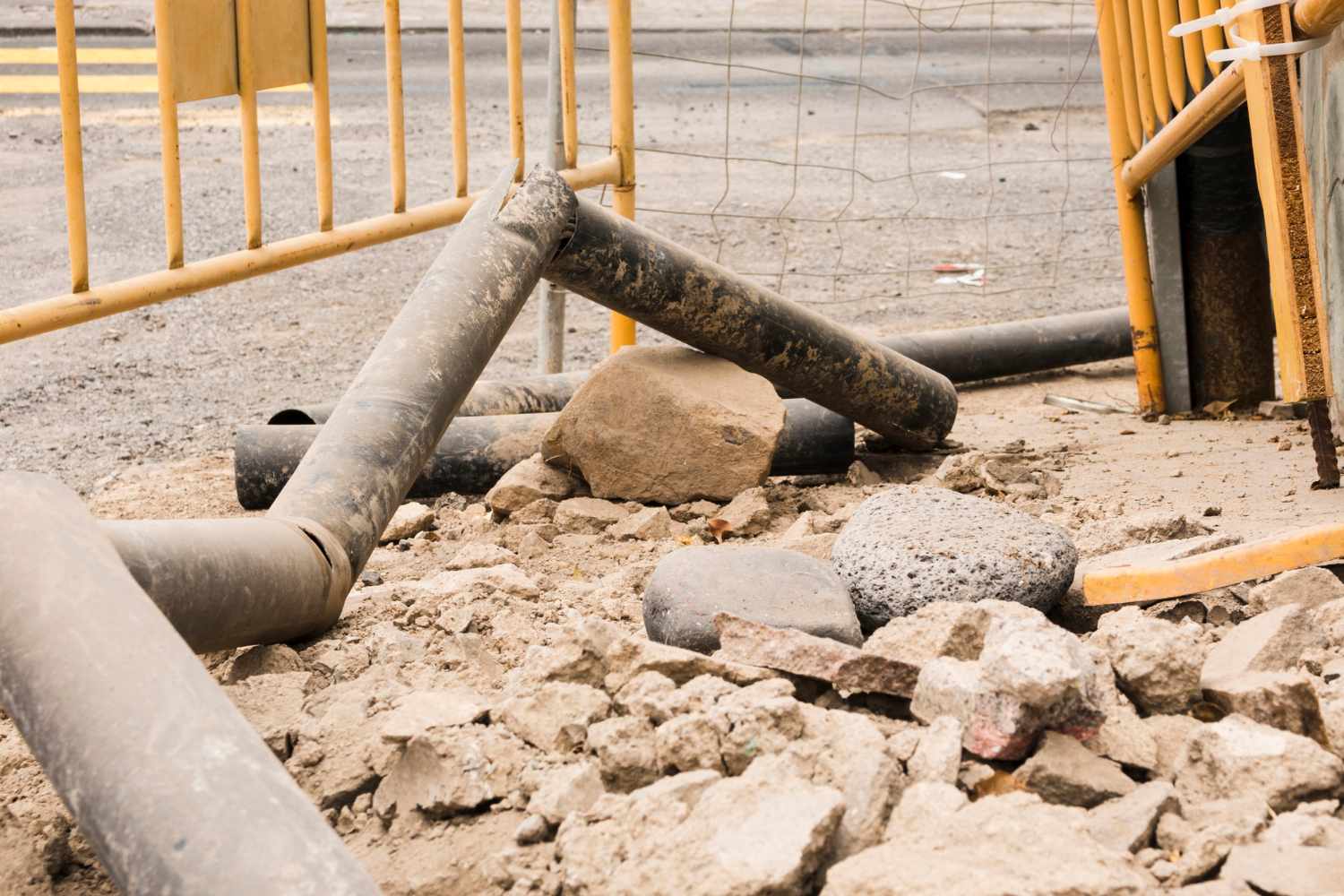
One of the most common winter plumbing emergencies is frozen pipes. When water inside a pipe freezes, it expands and puts pressure on the pipe walls. This can lead to cracks or full pipe bursts, especially in unheated areas such as basements, crawl spaces, and exterior walls.
Expert Prevention Tips:
Insulate exposed pipes using foam sleeves.
Open cabinet doors on cold nights to let warm air reach under-sink pipes.
Let faucets drip slightly during extreme cold to keep water moving.
Seal gaps around windows, foundations, and walls where cold air enters.
2. Water Heater Overload
Cold weather forces water heaters to work harder than usual. As the incoming water temperature drops, the unit requires more energy to heat it. Older or poorly maintained systems often struggle, leading to lukewarm water, longer heating times, or complete failure.
Expert Prevention Tips:
Flush the water heater at least once a year to clear sediment.
Check the thermostat setting (120–140°F is ideal).
Insulate the water heater tank and surrounding pipes.
Replace aging systems before winter to avoid mid-season breakdowns.
3. Clogged Kitchen Drains
Winter brings holiday cooking, heavier kitchen use, and more grease entering drains. Grease cools quickly in low temperatures, solidifying inside pipes. Over time, this buildup causes blockages that lead to slow drains, foul odors, or complete backups.
Expert Prevention Tips:
Avoid pouring grease, oils, or fats down the drain.
Run hot water while using the garbage disposal.
Use strainers to catch food scraps.
Schedule a professional drain cleaning before winter if your drains are already slow.
4. Leaking or Failing Fixtures
Cold weather can weaken older faucets, valves, and outdoor spigots. Outdoor hose bibs are especially vulnerable; trapped water expands when frozen, often causing small cracks that turn into leaks once temperatures rise.
Expert Prevention Tips:
Disconnect and drain outdoor hoses before winter.
Install frost-proof hose bibs if your home is older.
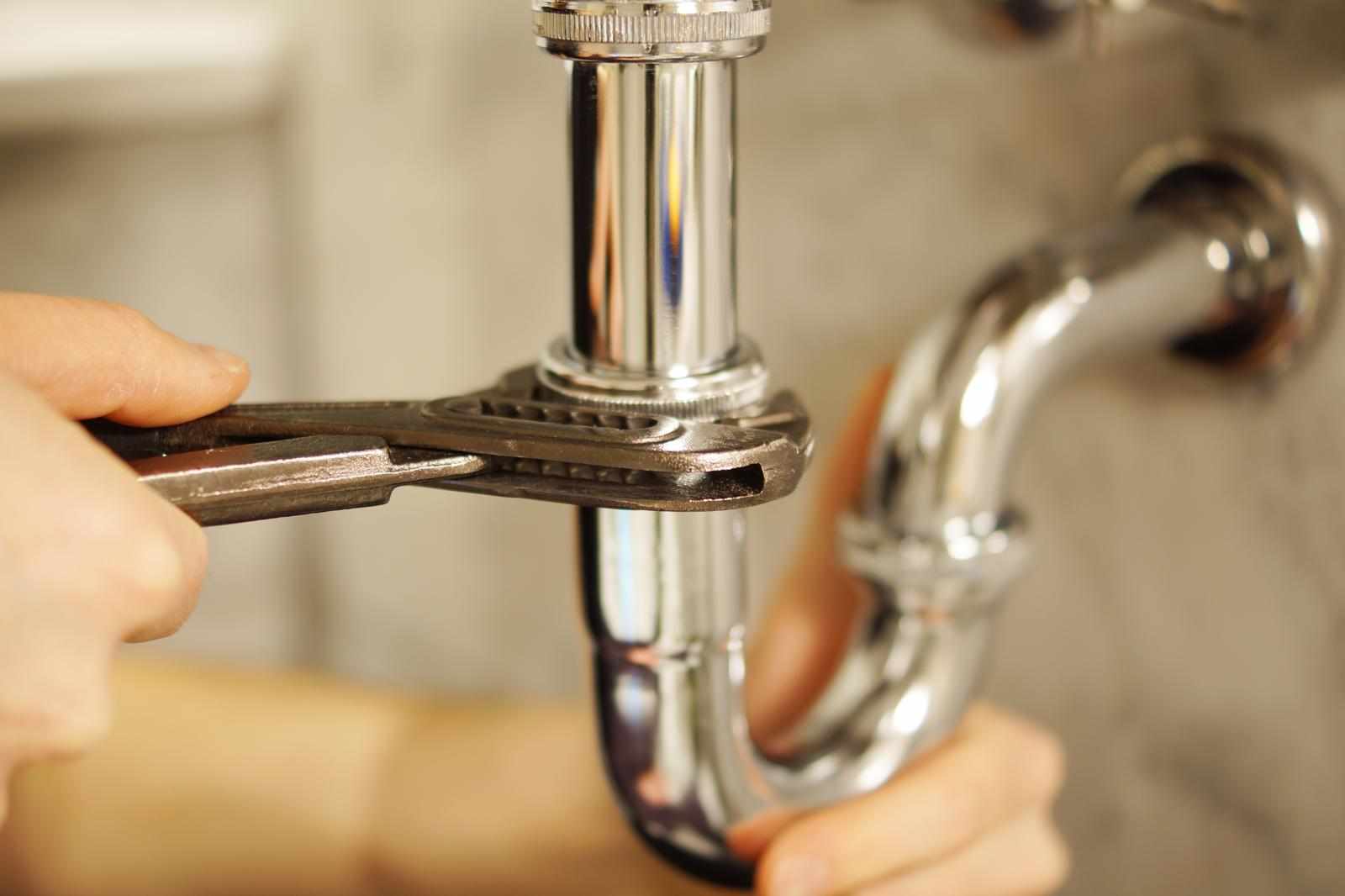
Check faucets and valves for small leaks and fix them early.
5. Sewer Line Problems
Cold temperatures, heavy holiday use, and tree-root intrusion can put extra strain on sewer lines. Slow drains, gurgling pipes, or sewage odors may indicate a developing blockage.
Expert Prevention Tips:
Avoid flushing wipes or feminine products.
Clear exterior sewer line roots annually.
Get a sewer camera inspection if you live in an older home.
Final Thoughts
Winter plumbing problems can escalate quickly, but most are preventable with the right steps and routine maintenance. A little preparation—insulating pipes, servicing your water heater, and keeping drains clear—can save you stress, time, and high repair bills when temperatures drop.






Write a comment ...