
Commercial plumbing systems are far more complex than residential setups. From large pipelines and industrial-grade fixtures to higher usage demands, businesses rely heavily on efficient plumbing for daily operations. That’s why commercial plumbing requires specialized maintenance — it ensures safety, reliability, and compliance with building codes.
1. Complexity and Scale of Commercial Plumbing Systems
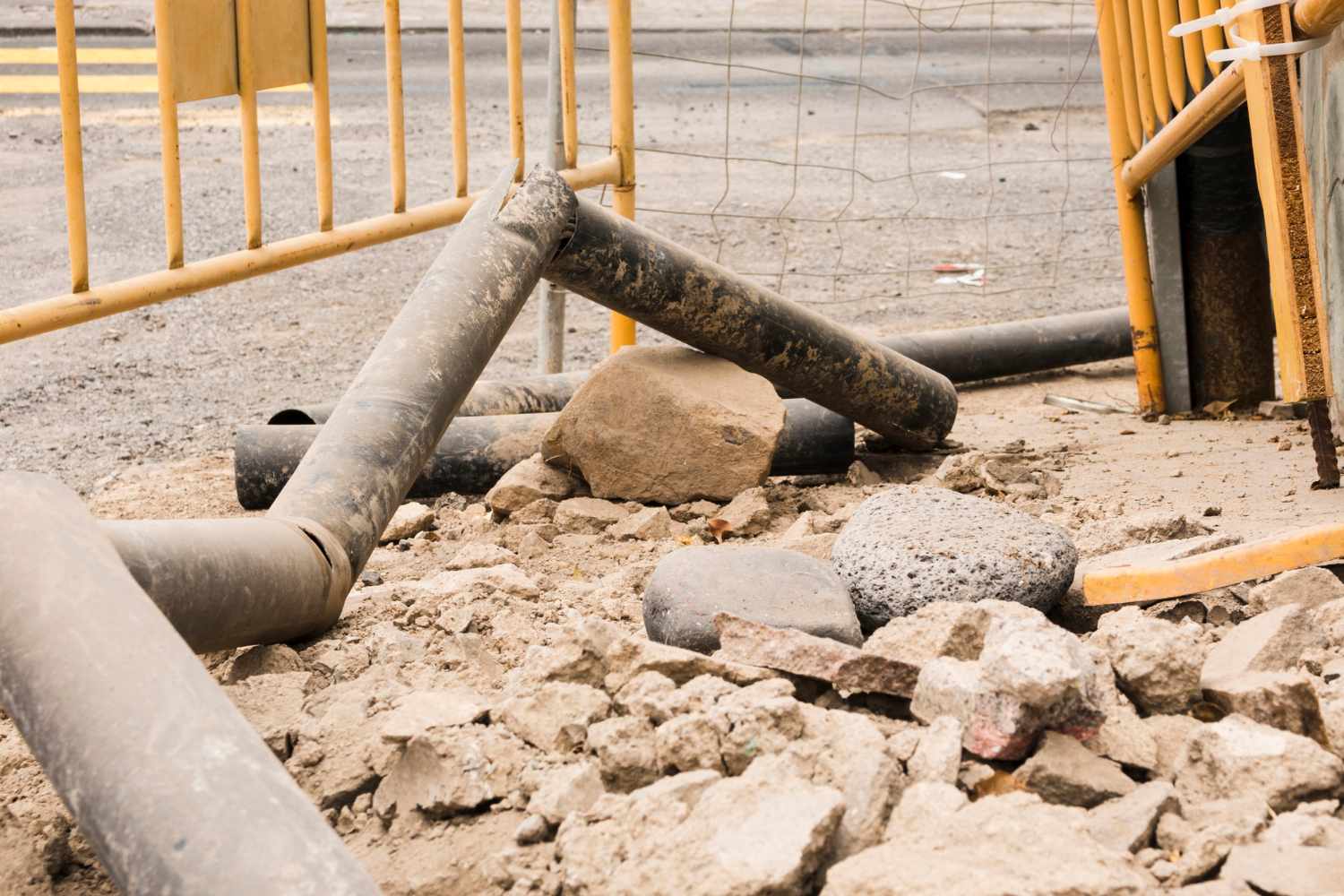
Unlike residential systems, commercial plumbing networks serve multiple floors, restrooms, kitchens, and equipment at once. A single issue, such as a leak or clog, can disrupt entire business operations. Specialized commercial plumbers have the tools, experience, and training to handle these large-scale systems without interrupting productivity. Routine inspections help detect hidden problems before they escalate into expensive emergencies.
2. High Usage Demands Require Frequent Check-Ups
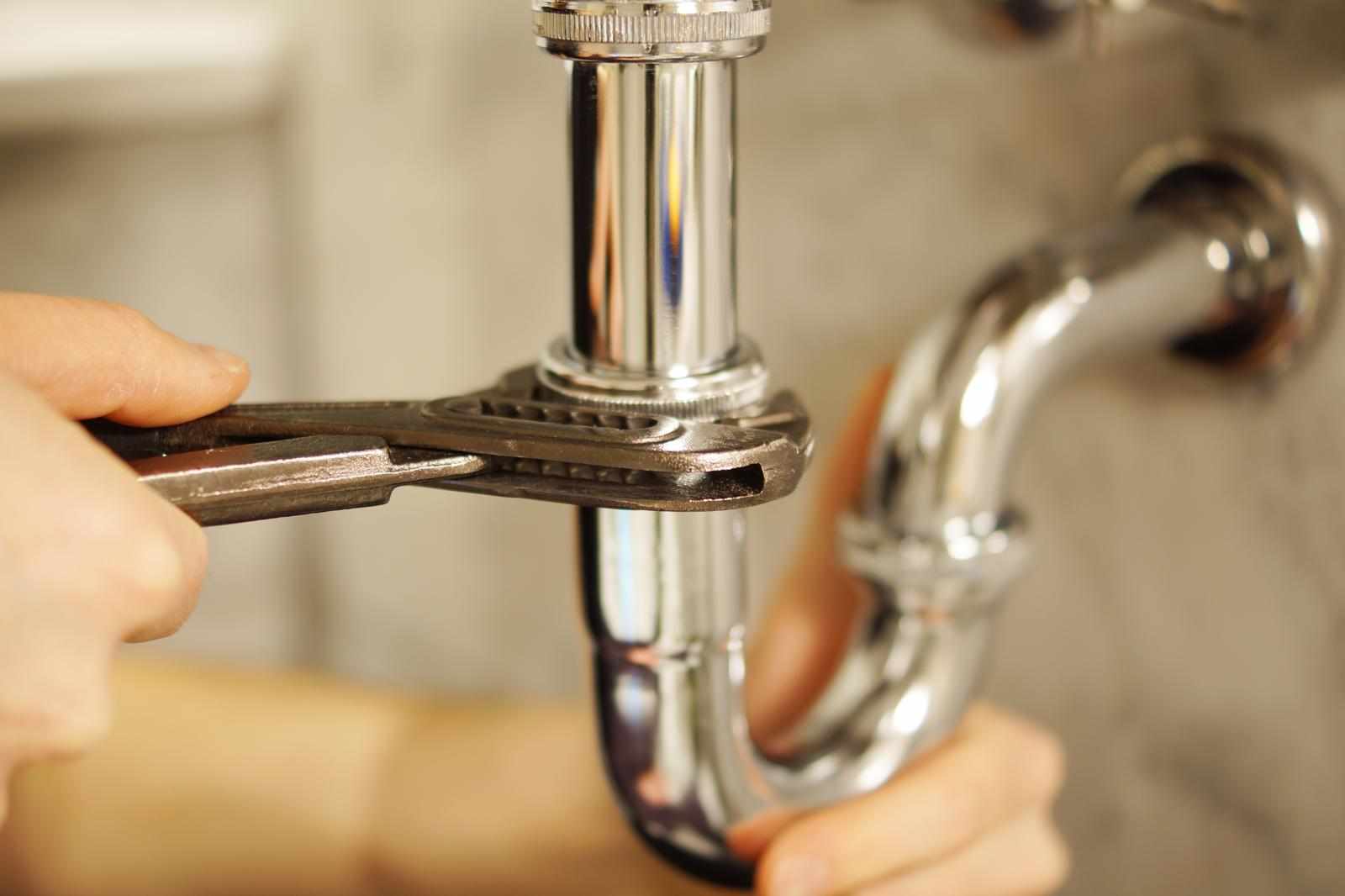
In offices, restaurants, hospitals, and retail spaces, plumbing systems experience constant use. This continuous strain leads to faster wear and tear on pipes, water heaters, and fixtures. Regular maintenance from commercial plumbing experts includes pressure testing, drain cleaning, and fixture replacements to maintain consistent performance and water efficiency across the property.
3. Preventing Health and Safety Hazards
Commercial plumbing maintenance isn’t just about fixing leaks—it’s about protecting public health. Clogged drains, backflow issues, and sewer line problems can quickly become health code violations. Certified commercial plumbers use specialized equipment to inspect and maintain backflow preventers, grease traps, and water filtration systems to ensure compliance and safety for employees and customers.
4. Energy and Water Efficiency Benefits
Businesses today aim to reduce operational costs and environmental impact. Professional commercial plumbing maintenance helps achieve this by identifying inefficiencies like outdated fixtures, leaking pipes, or excessive water pressure. By upgrading to low-flow faucets, water-efficient heaters, and automated systems, companies can cut water and energy bills significantly while maintaining reliable service.
5. Compliance with Codes and Regulations
Every commercial property must meet local plumbing codes and safety standards. Licensed commercial plumbers are familiar with these regulations and ensure all installations, repairs, and inspections meet compliance requirements. Regular documentation and scheduled maintenance also help avoid penalties or insurance issues down the line.
6. Reducing Downtime and Emergency Repairs
Emergency plumbing issues in commercial spaces can disrupt operations, damage property, and cost businesses thousands in lost productivity. Preventive maintenance minimizes this risk. Regular servicing of pumps, drains, and water heaters ensures systems run smoothly, allowing businesses to operate without interruption.
Conclusion
Commercial plumbing systems require specialized maintenance due to their size, complexity, and constant usage. Partnering with experienced commercial plumbing professionals not only ensures system longevity and compliance but also helps prevent costly breakdowns. Investing in preventive maintenance today keeps your business running efficiently tomorrow.




Write a comment ...